Of all the underwear decisions a woman makes, the choice between a thong and a hipster may seem like the most personal and least guidable. Yet it is one that comes up regularly — particularly as more Bangladeshi women shop online, encounter a wider range of styles than the local market typically offers, and find themselves genuinely uncertain about which style is worth buying, which is more comfortable for a full day, and whether the thong is actually as uncomfortable as some women assume or as comfortable as others insist.
This guide gives you a genuinely honest, practical comparison — not shaped by any bias toward either style. Both thongs and hipsters have real advantages and real disadvantages. Both are widely worn by Bangladeshi women. And the right choice between them depends on factors that are specific to you: your body, your clothing, your daily activities, and Bangladesh's climate.
You can browse both styles and matching sets at AliPeak, including the lingerie sets collection with nationwide delivery across Bangladesh.
Defining the Two Styles Clearly
Before comparing them, it helps to have a precise definition of each style — because both terms are used loosely in Bangladesh's market and what one seller calls a hipster another may call a bikini.
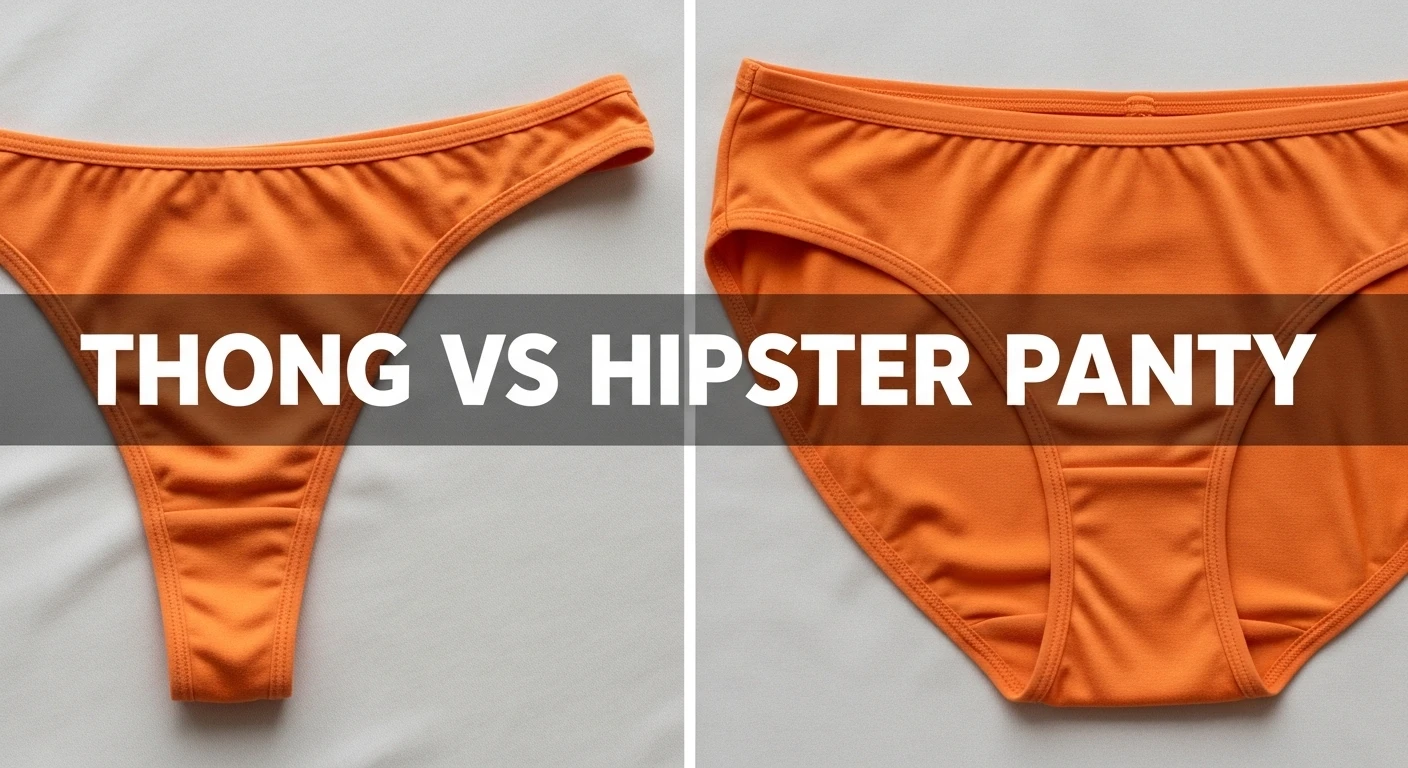
Thong: A thong is underwear with full or moderate front coverage and a very narrow back — typically a thin strip of fabric or a single string that runs between the buttocks. The back coverage is intentionally minimal, often with no fabric covering the buttocks at all beyond the central strip. The waistband sits at hip level or lower. The defining feature is the near-complete absence of back coverage.
Some variation within the thong category: a G-string has the narrowest possible back — a single string — with no additional fabric at the back. A standard thong has a slightly wider back strip, perhaps one to two centimetres. A T-back or tanga has a slightly wider back panel than a true thong but less coverage than a standard brief. For this guide, all of these are referred to collectively as thongs.
Hipster panty: A hipster sits lower on the body than a traditional full brief — the waistband rests at the hips rather than at the natural waist. The coverage is moderate: the front covers from the waistband down to the crotch fully, and the back covers the full buttocks, sitting across the middle of the seat rather than high on the waist like a traditional brief. The leg openings are cut lower and straighter across the thigh compared to a standard brief's higher-cut leg.
The hipster is distinct from a bikini cut (which is similar but typically has higher-cut leg openings and narrower sides) and from a full brief (which sits at or above the natural waist with full coverage front and back). For most purposes in Bangladesh's lingerie market, hipsters and bikini cuts are often used interchangeably, but true hipsters have a lower waistband and wider sides than bikini cuts.
The Primary Practical Purpose of Each Style
Understanding what each style is designed to achieve clarifies why a woman would choose one over the other.
The thong's primary purpose: Eliminating visible panty lines (VPL). Under fitted clothing — leggings, fitted salwar kameez fabric, bodycon styles, tight trousers — the edges of underwear can create visible lines or ridges through the outer fabric. A thong's minimal back coverage eliminates these lines because there is no fabric edge to create a ridge. This is the functional justification for the thong's existence, and for this specific purpose it is unrivalled.
The hipster's primary purpose: Comfortable full coverage at a low-rise fit. The hipster provides the security and hygiene of full coverage front and back, at a comfortable waistband height that does not dig into the natural waist or create a visible waistband line above the trouser waistband. It is designed for everyday all-day comfort without sacrificing coverage.
Comfort: The Honest Comparison
This is the most important section for most readers, and it requires honest acknowledgment of individual variation.
First-time thong experience: Many women who try thongs for the first time find them uncomfortable — the back strip feels unnatural and intrusive for the first hour or two of wear. This is a genuine initial response and it is valid. However, it is also temporary for most women. The majority of women who persist with thongs past the first few wears adjust to the sensation and eventually find them unremarkable to wear — neither particularly comfortable nor uncomfortable, simply present.
A minority of women never adjust and find the back strip consistently uncomfortable regardless of fabric, fit, or wear duration. For these women, thongs are genuinely not the right choice and no amount of trying different styles will change that. This is a real and valid body response, not a failure of willpower.
Long-term thong comfort: Women who regularly wear thongs — and millions do, globally and in Bangladesh — report that after adjustment the style is comfortable for all-day wear. The absence of back fabric means no fabric riding up, no elastic cutting across the seat, and no bunching under fitted clothing. These are genuine comfort benefits that thong wearers appreciate.
Hipster comfort: Hipsters are consistently comfortable from first wear. The full coverage, the soft waistband at hip level rather than the natural waist, and the moderate leg opening all create a style that most women find immediately comfortable without an adjustment period. There is no novel sensation to adapt to. For everyday wear without a specific functional reason to choose another style, hipsters are the most reliably comfortable choice for the widest range of women.
The fabric factor: The comfort of both styles is significantly affected by fabric. A thong in soft stretch cotton or modal with a smooth, thin back strip is genuinely comfortable. A thong in stiff synthetic lace with a rigid back strip is uncomfortable. A hipster in quality cotton is comfortable all day; a hipster in rough polyester with thin elastic is not. Do not judge the comfort of either style from a cheap version — assess each style in quality fabric before forming a definitive opinion.
Bangladesh's climate impact: Bangladesh's warm and humid climate creates a specific consideration for both styles. Any underwear worn against the skin in sustained heat will be more comfortable if the fabric breathes well and does not trap moisture. Cotton and modal are the most appropriate everyday fabrics for both styles in Bangladesh's climate. Synthetic fabric in either style is more likely to cause discomfort through sweat accumulation and heat retention during Bangladesh's warm months.
Health and Hygiene Considerations
This is the section where honest, medically grounded information is most valuable — and where some firmly held opinions need to be examined carefully.
The common concern about thongs and hygiene: A widely circulated concern is that thong underwear increases the risk of urinary tract infections and vaginal infections by transferring bacteria from the anal area toward the vaginal and urethral area through the movement of the back strip. This is a concern that has been discussed in medical literature and is worth taking seriously.
The evidence is not as alarming as popular discussion sometimes presents it. Urinary tract infections and yeast infections are influenced by many factors — overall hygiene, fabric breathability, moisture levels, and individual microbiome. Thong wearing is a contributing risk factor for some women, particularly those who are already prone to recurrent UTIs or who wear synthetic-fabric thongs in warm conditions where moisture accumulates.
For women who wear cotton thongs, maintain good daily hygiene, and are not prone to recurrent infections, the risk is modest. For women who have a history of recurrent UTIs or vaginal infections, switching away from thongs — particularly synthetic thongs — is a reasonable and commonly recommended step.
The non-negotiable rule for both styles: As with all underwear, the gusset lining must be cotton. A thong with a synthetic gusset in Bangladesh's warm climate is the worst-case combination for intimate skin health. Always confirm cotton gusset lining for any underwear purchase regardless of the outer style or fabric.
Fabric against intimate skin: Cotton is the safest and most comfortable fabric for the intimate area in both styles. The back strip of a thong in cotton does not cause friction-related irritation the way synthetic lace or stiff polyester does. If you have tried thongs and found them irritating in the intimate area, trying a soft cotton version before concluding the style is wrong for you is worth doing.
Hipster hygiene: Full-coverage underwear in breathable cotton is the most hygienically safe everyday choice for intimate skin health. The complete coverage and cotton fabric combination keeps the intimate area dry, ventilated, and protected from friction across a full day. For women with sensitive skin or a history of skin irritation from underwear, hipsters in soft cotton are the safest and most comfortable recommendation.
Visible Panty Line (VPL): The Real World Assessment
VPL is the primary functional argument for thongs, and it is worth assessing honestly in the Bangladeshi clothing context.
When VPL actually matters: Visible panty lines are most noticeable under very fitted, thin, or stretchy fabrics — leggings, tight fitted trousers, thin synthetic salwar kameez fabric, bodycon dresses, and similar styles. Under loose, flowy, or thicker fabrics, underwear lines are not visible and the style choice is purely about comfort.
The majority of traditional Bangladeshi women's clothing — loose salwar kameez in cotton or georgette, flowy kurtis, traditional saree draping — does not show underwear lines regardless of what underwear is worn. For women whose primary wardrobe is traditional, the VPL argument for thongs is much weaker than it is for women whose daily wardrobe includes a significant proportion of fitted modern clothing.
Hipsters and VPL: Quality seamless hipsters in microfibre or thin stretch fabric significantly reduce VPL compared to standard cotton hipsters. A seamless hipster is not as invisible as a thong under the most fitted clothing, but it is substantially less visible than a regular hipster with defined edges. For women who want coverage but minimal VPL, a seamless hipster is a practical middle ground.
When thongs genuinely solve a real problem: For leggings worn to a yoga class, a gym session, or any form of exercise. For very fitted formal wear where a clean silhouette is important for a photograph or a special occasion. For specific tight-fitting outfit occasions. In these specific contexts, a thong genuinely solves a real visible problem that no other underwear style solves as cleanly.
Sizing and Fit for Each Style
Getting the size right matters for both styles, but the consequences of wrong sizing differ.
Thong sizing: The most important measurement is hip circumference. A thong that is too small in the hip will have a waistband that digs in and creates exactly the kind of visible line it is supposed to eliminate — on the front and sides rather than the back. A thong that is too large in the hip will sag and shift position throughout the day. Measure your hips at the widest point and use the brand's size chart specifically.
The back strip of a thong should lie flat and feel comfortable regardless of movement. If it bunches, twists, or shifts significantly with sitting, walking, or other movement, the size or style is wrong. A well-fitted thong in the correct size stays in position without conscious adjustment throughout the day.
Hipster sizing: Hip measurement is equally important. A hipster that is too small across the hips creates red marks at the side edges and digs into the thighs. A hipster that is too large droops and rolls at the waistband. The waistband should sit flat and comfortably at hip level without rolling. The leg openings should lie flat against the thigh without cutting in.
For both styles, size up rather than down when between sizes. Underwear that is slightly roomier is always more comfortable than underwear that is too small, regardless of style.
Matching Lingerie Sets: Which Style Pairs With Which Bra
Most lingerie sets in Bangladesh pair specific bra styles with specific underwear styles. Understanding which combinations are most common helps when shopping for matching sets.
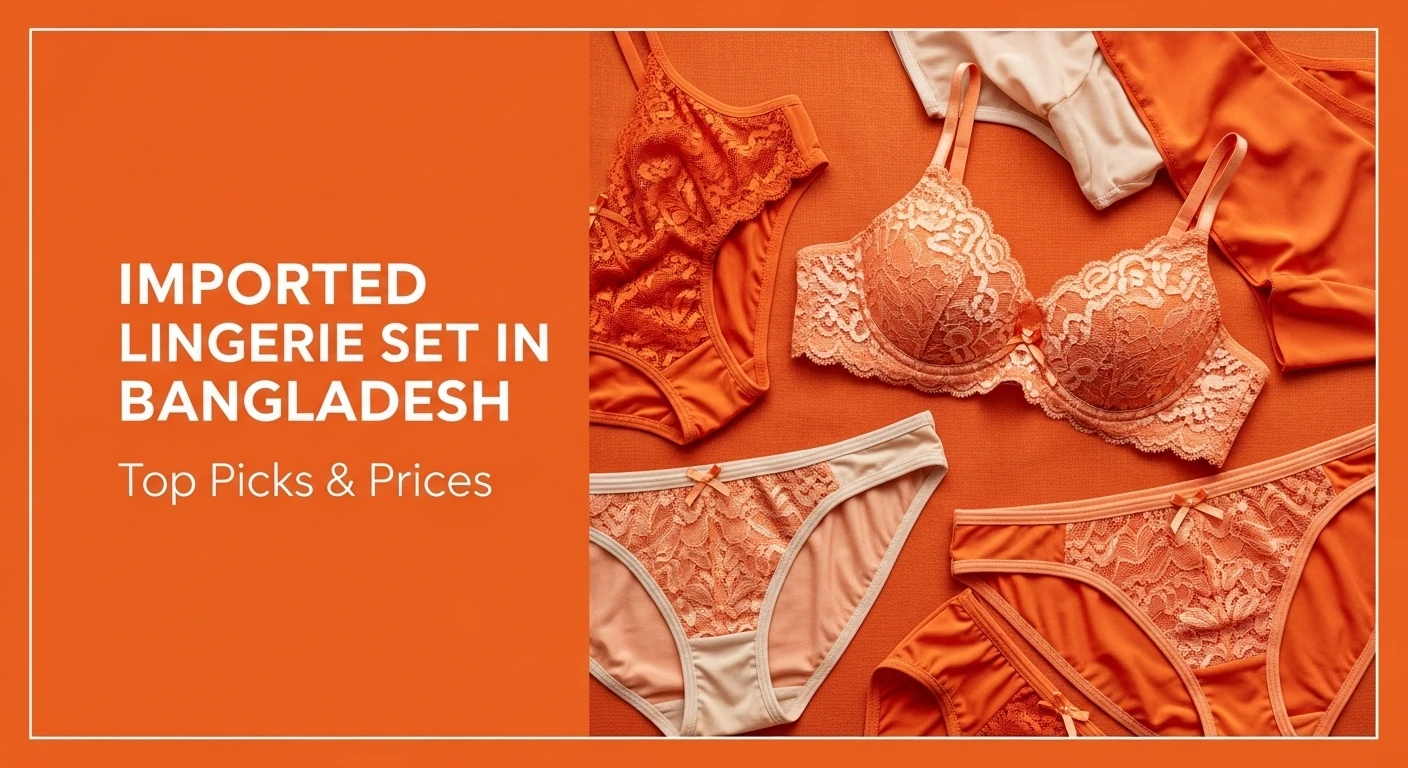
Push-up bras and balconette bras are most commonly paired with thong or bikini-cut briefs in matching lace or satin. This combination creates the classic occasion lingerie set look — the push-up creates lift and cleavage, the thong maintains the smooth fitted look from behind.
T-shirt bras and everyday bras are most commonly paired with hipster or bikini-cut briefs in matching fabric. This combination is the standard everyday set — functional, comfortable, coordinated.
Full cup bras in larger cup sizes are most often paired with full briefs or hipsters rather than thongs, because the full coverage of the bra matches the modesty intent of fuller underwear coverage.
Bralettes and soft-cup bras are paired with both styles depending on the occasion. A lace bralette and matching lace thong is a popular intimate occasion set. A soft cotton bralette and cotton hipster is a comfortable everyday home set.
When shopping the lingerie sets collection at AliPeak, the pairing within a set is predetermined — the bra and panty are matched by the designer. Check which panty style is included in any set you are considering, and choose sets where the panty style suits your preference and daily needs.
Daily Wear Scenarios: Which Style Wins Where
Office and college day (8 to 10 hours of desk and standing work): Hipster wins. The full coverage, comfortable waistband, and all-day reliability of a well-made hipster in cotton or modal is the most comfortable choice for an extended working or studying day. Unless you are wearing very fitted trousers where VPL is a concern, a seamless hipster provides comfort without compromise.
Leggings or very fitted trouser day: Thong wins. The VPL elimination function of a thong is most relevant here. A seamless thong in cotton or smooth microfibre worn under leggings or tight trousers is the cleanest solution.
Traditional salwar kameez or kurti day: Hipster wins. Traditional Bangladeshi clothing in cotton and georgette does not show underwear lines, so the VPL argument for thongs is irrelevant. The comfort advantage of a hipster is decisive.
Yoga, gym, or exercise: Thong is preferred by many active women for eliminating the discomfort of fabric riding up during movement. However, a seamless hipster specifically designed for active wear is equally comfortable for many women. Personal preference determines this one.
Special occasion or romantic evening: Thong for fitted outfits and maximum visual effect. A lace thong as part of a lingerie set is the standard choice for romantic occasions. A matching hipster or bikini brief in the same lace as the bra is equally appropriate if personal preference favors more coverage.
Home and lounging: Hipster or any comfortable style wins. At home, comfort is the only consideration. Soft cotton hipsters or boy shorts are the most comfortable home underwear choices for most women.
Saree wearing: Hipster. The saree's draping over the waistband area means underwear line visibility is not a concern, and a comfortable hipster provides all-day security during the physical demands of managing a saree all day.
The Question of Cultural Context in Bangladesh
Thong underwear has a particular cultural profile in Bangladesh that is worth acknowledging. It is sometimes perceived as an exclusively intimate or occasion piece rather than as a legitimate everyday garment — a perception that leads some Bangladeshi women to own thongs but wear them only for specific occasions rather than as a regular underwear choice.
This is entirely a personal and cultural choice, and there is no right or wrong position. Women who prefer to wear thongs only for specific fitted-clothing occasions or romantic evenings are making a perfectly reasonable choice. Women who find thongs comfortable for daily wear and choose to wear them regularly are equally making a reasonable choice.
The useful framing is functional: the thong is a tool for a specific purpose (VPL elimination and occasion wear) and the hipster is a tool for general everyday comfort and coverage. Using each where it is most useful — rather than committing dogmatically to one or the other — gives you the best of both.
Building a Practical Underwear Wardrobe With Both Styles
The most practical and versatile everyday underwear wardrobe for a Bangladeshi woman incorporates both styles in proportions that reflect her actual clothing and lifestyle.
For most Bangladeshi women whose wardrobe is primarily traditional clothing with some modern fitted styles: four to five everyday hipsters in cotton or modal for daily general wear, one to two seamless hipsters or thongs for fitted-clothing days, and one to two thongs as part of occasion lingerie sets for romantic and special occasions. This combination covers every daily scenario with the right tool for each context.
For women whose wardrobe includes more fitted modern clothing — regular leggings, fitted trousers, bodycon styles: two to three hipsters for general days, two to three seamless thongs for fitted-clothing days, and one to two occasion thongs for romantic sets.
The right ratio is determined by your actual clothing wardrobe, not by any rule about which style is superior. Count how many days per week you wear clothing where VPL is a genuine concern — those are the days for thongs. The remaining days are the days for hipsters.
Browse both styles across different fabrics and price points at AliPeak. Whether you are building an everyday underwear wardrobe, looking for matching lingerie sets, or searching for a specific style in your size, the platform offers options across cotton, modal, lace, and satin in both thong and hipster configurations with clear sizing information and nationwide delivery across Bangladesh.
There is no universally correct answer to whether a thong or a hipster is more comfortable for daily wear in Bangladesh. The correct answer is the one that fits your body well, suits the clothing you actually wear, maintains the fabric standards your skin needs in Bangladesh's climate, and feels right to you across a full day. Both styles have a legitimate place in a well-considered underwear wardrobe. The skill is knowing which to reach for on which day.
 english




 Automotive
 Gifts & Occasions
 Electronics & Computers
 Fashion & Apparel
 Beauty & Personal Care
 Home & Lifestyle
 Sports & Fitness
 Books, Movies & Music
 Baby & Kids