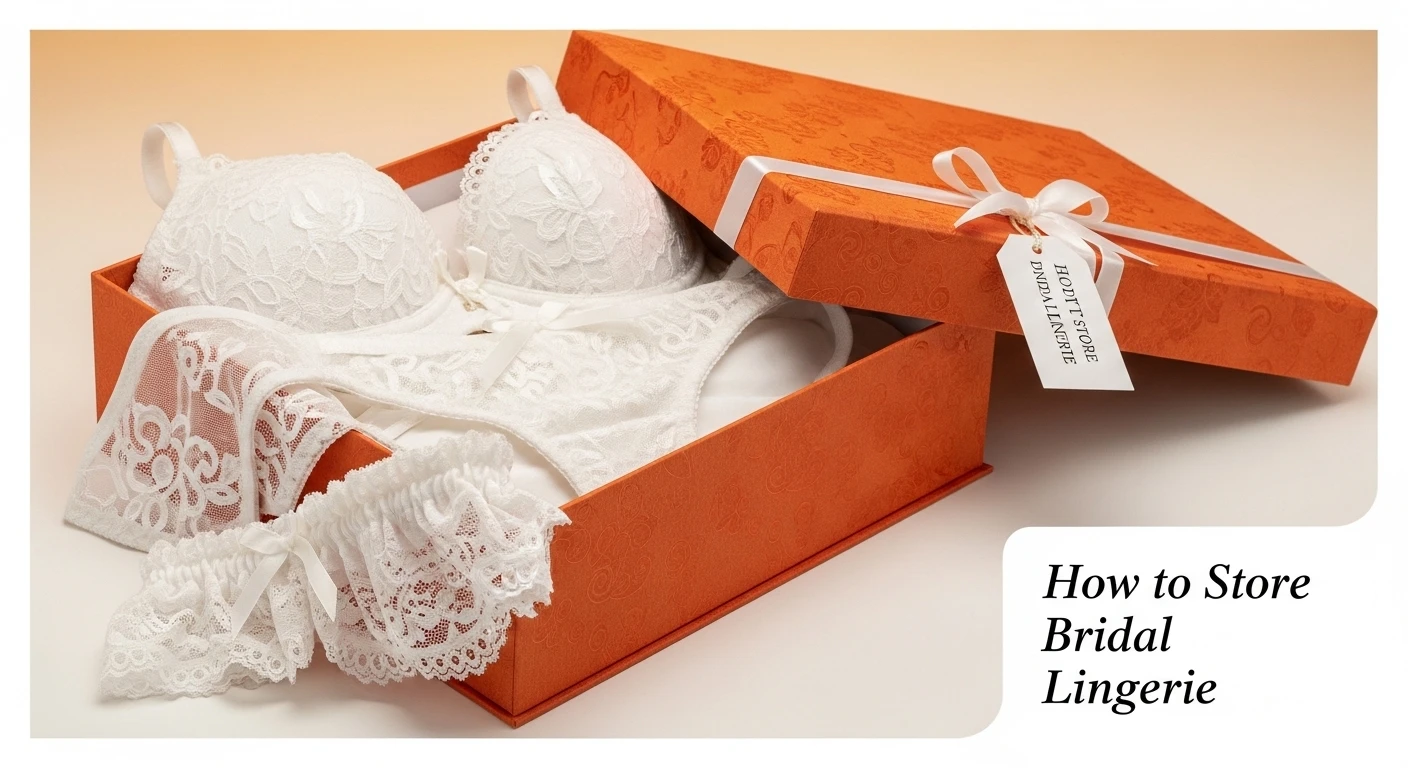
Keep your most delicate pieces beautiful, fresh, and long-lasting with the right care and storage habits.
Your wedding lingerie is unlike anything else in your wardrobe. Chosen with care, worn on one of the most significant days of your life, and often made from the most delicate fabrics — fine lace, silk, satin, embroidered net, chiffon — bridal lingerie deserves far more thoughtful treatment than being tossed into a drawer and forgotten.
Yet that is exactly what happens to most bridal lingerie. The wedding is over, life moves fast, and those beautiful pieces end up crushed under everyday bras, slowly losing their shape, developing odors, attracting moths, or simply deteriorating from neglect. Within a year, many brides find that their most expensive and meaningful intimate pieces are unwearable.
It does not have to be that way. With the right washing, drying, and storage techniques, your bridal lingerie can remain beautiful and wearable for years — ready for anniversaries, special occasions, or simply whenever you want to feel extraordinary on an ordinary day.
This guide covers everything you need to know about caring for and storing bridal lingerie after your wedding, with specific advice for the fabrics and styles most commonly found in Bangladeshi bridal trousseaux.
Step One: Wash Everything Before Storage — The Right Way
The single biggest mistake people make with bridal lingerie is storing it unwashed after the wedding. Even if a piece was worn only briefly, body oils, perspiration, perfume residue, and trace amounts of makeup will oxidize and set into the fabric over time, causing yellowing, stiffening, and permanent staining that becomes increasingly difficult or impossible to remove the longer it sits.
Never store unwashed lingerie. Full stop.
How to Hand Wash Delicate Bridal Lingerie
Almost all bridal lingerie — lace, silk, satin, embroidered net — should be hand washed. Machine washing, even on a delicate cycle, creates mechanical stress that stretches elastic, snags lace, distorts embroidery, and breaks down fine fabric structures far faster than hand washing.
What you need:
- A clean basin or sink
- Cool or lukewarm water (never hot — heat degrades elastic and can shrink silk)
- A gentle lingerie wash or mild soap (look for pH-neutral, fragrance-free formulas)
The process:
Fill the basin with cool water and add a small amount of gentle detergent — less than you think you need. Submerge the garment and gently swirl it through the water using your hands. Do not rub, scrub, twist, or wring. For pieces with embroidery or embellishments, handle them as little as possible and avoid pressing directly on decorative elements.
Let the piece soak for no more than 10–15 minutes. Drain the soapy water, refill with clean cool water, and gently swirl again to rinse. Repeat the rinse once more until no soap residue remains. Soap residue left in the fabric will stiffen it over time and can attract dust and insects.
To remove excess water, lay the garment flat on a clean dry towel and gently roll the towel around it, pressing lightly. Never wring or twist — this deforms the shape of cups, stretches bands, and damages lace patterns.
Fabric-Specific Washing Notes
Silk and satin: Use the coolest water possible and the most minimal amount of detergent. Silk is protein-based and very sensitive to both heat and alkaline detergents. Even a few minutes in hot water can cause irreversible shrinkage and loss of luster. After washing, silk should feel smooth and slightly cool to the touch — if it feels rough or stiff, there is likely soap residue that needs rinsing out.
Lace: Lace is structurally fragile, especially machine-made lace with fine thread connections. Avoid any rubbing. If there are stains on lace sections, dab gently with a soft cloth rather than rubbing. Very delicate or antique-style lace pieces benefit from being placed in a mesh lingerie bag even for hand washing — it gives the piece something to rest against without adding mechanical stress.
Embroidered net and organza: These fabrics are prone to snagging. Wash alone, never with other pieces, and keep sharp rings or bracelets off your hands during washing. Check embroidered sections carefully after washing — any loose threads should be gently secured rather than pulled.
Underwired pieces: Wash underwired bras with special care. The wire casings are stitched closed and can be weakened by prolonged soaking. Keep wash time brief and ensure the wire channels are completely dry before storage — trapped moisture inside wire casings causes rust, which stains fabric from the inside out.
Step Two: Dry Properly Before Any Storage
Storing lingerie while still damp — even slightly damp — is a direct path to mildew, mold, unpleasant odors, and fabric damage. In Bangladesh's humid climate, this risk is especially significant. Pieces must be completely, thoroughly dry before they are stored.
Drying Guidelines
Lay flat to dry whenever possible. Hanging delicate lingerie — especially bras and lace pieces — while wet causes the weight of the water to pull the fabric and distort the shape. Lay pieces flat on a clean dry towel or a drying rack with a flat surface. Reshape cups, straps, and lace edges gently by hand while the piece is still damp.
Dry in shade, away from direct sunlight. UV exposure degrades silk and delicate synthetics rapidly, causing fading and fiber breakdown. A well-ventilated room away from direct sun is ideal.
Never use a tumble dryer for bridal lingerie under any circumstances. The heat and mechanical tumbling will destroy delicate fabrics, shrink elastic, deform underwire casings, and ruin embellishments.
Never use a clothes iron directly on lace, silk, or embroidery. If a piece needs light ironing after drying, use the lowest heat setting and always place a clean white cotton cloth between the iron and the lingerie. For silk specifically, iron only on the reverse side while still very slightly damp, using a cool iron.
Allow extra drying time in humid weather. During Bangladesh's monsoon season or in air-conditioned rooms where air circulation is limited, pieces may feel dry on the surface while still holding moisture in padded sections or thick embroidery. Give underwired bras at least 24 hours of drying time before storage, and lightly squeeze padded cup sections to check for hidden dampness.
Step Three: Choose the Right Storage Method
Once your pieces are clean and completely dry, proper storage begins. The goal is to protect the fabric from physical pressure, moisture, insects, light exposure, and chemical degradation — all of which cause slow, cumulative damage.
The Flat Storage Method (Best for Most Lingerie)
For bras, structured bodices, and corsets, flat storage is almost always the best option. Folding structured pieces — especially underwired bras — compresses the cups and stresses the underwire, causing permanent deformation over time. The classic "nesting" method works well: store bras with one cup inside the other, both cups facing up, lying flat in a drawer or box.
For briefs, thongs, and unstructured pieces, light folding is fine. Fold along natural seam lines rather than across decorated panels or embroidered sections to avoid creating hard creases in delicate areas.
The Hanging Method (For Certain Pieces)
Slips, chemises, camisoles, and robes can be hung — but only on padded or satin-covered hangers, never on thin wire or plastic hangers that create pressure points and distort the fabric. If hanging silk pieces, cover them with a breathable cotton garment bag to protect from dust and light exposure.
Never hang heavily embellished pieces — the weight of beading or embroidery, combined with the natural weight of the fabric, will gradually cause the garment to stretch out of shape.
Storage Containers: What to Use
Breathable cotton storage bags are the gold standard for bridal lingerie storage. Cotton allows air to circulate, preventing moisture buildup, while protecting from dust, light, and insects. Individual bags for each significant piece are ideal — this prevents embellishments from snagging on adjacent fabrics.
Acid-free tissue paper is essential for any piece you want to preserve in pristine condition for a long time. Wrapping pieces loosely in acid-free tissue before placing them in storage bags or boxes prevents the acid migration that causes yellowing over time. This is the same technique used by museums and bridal gown preservationists.
Avoid plastic bags and airtight containers. Plastic traps moisture, creating ideal conditions for mildew in Bangladesh's humid climate. Plastic also off-gases chemicals over time that can degrade delicate fabrics and cause yellowing, particularly in silk and satin. If you are using a storage box, ensure it has ventilation or is opened periodically.
Dedicated lingerie drawers or storage boxes with dividers keep pieces organized, prevent compression, and make retrieval easy without disturbing other stored items. A shallow drawer is better than a deep one — stacking multiple layers of lingerie compresses the bottom pieces under weight.
Step Four: Protect Against Insects and Humidity
Bangladesh's climate presents two particular storage challenges: insects (particularly fabric moths and silverfish) and humidity. Both can destroy delicate lingerie in storage if not addressed.
Dealing with Insects
Fabric moths are the primary enemy of silk and natural fiber lingerie in storage. The larvae, not the adult moths, do the damage — they feed on natural protein fibers including silk, wool, and cotton blends.
Natural moth deterrents are preferable to chemical mothballs for lingerie storage, as mothball chemicals (naphthalene) can damage delicate fabrics and leave persistent odors that are very difficult to remove from silk and lace. Instead, use:
- Cedar blocks or cedar-lined storage boxes: Cedar contains natural oils that repel moths. Replace or sand cedar blocks every 6–12 months as the aromatic oils diminish over time.
- Dried lavender sachets: Lavender repels moths and leaves a pleasant, light fragrance. Place small sachets in storage drawers and boxes, but not in direct contact with the lingerie — keep them in a small cloth bag nearby.
- Dried neem leaves: A traditional South Asian moth deterrent that is highly effective and completely natural. Wrap loosely in a small muslin pouch and place near stored garments.
Avoid placing any scented items directly against silk or lace — even natural oils from lavender or cedar can stain delicate fabrics if in prolonged direct contact.
Before storing, ensure pieces are completely clean. Moths are attracted to body oils, perspiration residue, and food traces — which is another reason why washing before storage is non-negotiable, not optional.
Managing Humidity
Bangladesh experiences humidity levels that can reach 80–90% during the monsoon season. High humidity promotes mildew growth on stored fabrics and causes elastic to degrade faster.
Silica gel packets placed in storage boxes (not touching the garments directly) absorb excess moisture effectively. Replace or recharge them every few months — most silica gel packets change color when saturated to indicate they need refreshing.
Store in an air-conditioned or well-ventilated room if possible. The bedroom is usually the best location in most homes. Avoid storing delicate lingerie in bathrooms, basements, or storage rooms with poor ventilation.
Air out stored lingerie every few months — remove pieces from storage, allow them to breathe in a clean, dry, shaded space for a few hours, then re-fold and return to storage. This prevents moisture from accumulating and allows you to check for any early signs of damage.
Step Five: Organize Thoughtfully for Future Use
Beautiful lingerie that is inaccessible is lingerie that never gets worn. Good organization means you can actually find and enjoy your pieces on ordinary days, not just hunt for them on special occasions.
Organization Tips
Group by occasion and frequency of use. Keep everyday pieces in the most accessible location. Store special occasion and bridal pieces together in a dedicated section — a separate drawer, a keepsake box, or a section of your wardrobe with hanging storage bags.
Label your storage bags or boxes if you have multiple similar items. A small paper tag noting fabric type (e.g., "silk camisole — hand wash cold") helps at the moment of laundering, especially for a household helper who may not know specific care requirements.
Do a seasonal review of your lingerie storage — ideally twice a year. Check for any signs of moths, mildew, elastic degradation, or fabric yellowing. Address small problems early before they become irreversible damage.
Keep care instructions for significant pieces. When you purchase expensive bridal lingerie, note or photograph the care label. Labels can wear off or become unreadable over time, and knowing the correct washing instructions for a piece years later can prevent accidental damage.
Specific Advice for Common Bridal Lingerie Pieces
Silk Robe or Dressing Gown
Silk robes should be hung on a padded satin hanger inside a breathable garment bag. Ensure the bag is long enough that the hem of the robe does not bunch at the bottom. If folding is necessary due to space constraints, fold along the side seams and use acid-free tissue between folds to prevent crease lines.
Embroidered or Embellished Bralette
Store flat, cups nested, with any embellished panels face up so that decorative elements are not pressed against a hard surface. If the embellishments are beaded or have hard edges, place a layer of acid-free tissue between the bralette and any adjacent stored pieces.
Lace Bodysuit or Teddy
These pieces have complex structures that are easily distorted. Store flat in a dedicated cotton bag, lightly stuffed with acid-free tissue to maintain the general shape. Never fold a bodysuit along the lace panels — fold along the side seams or the plain fabric sections.
Satin Bridal Set (Bra and Brief)
Store the bra flat (cups nested) and the brief folded once along its natural seam line. Keep the set together in a single cotton bag so you can find and wear both pieces together easily.
Corset or Structured Bodice
Corsets require the most careful storage of any lingerie piece. Never fold a structured corset — the boning will crease and potentially break. Store flat in a wide, shallow box with acid-free tissue wrapped loosely around it. If a corset has lacing, loosen the lacing fully before storage to release tension on the fabric and boning channels.
Signs Your Stored Lingerie Needs Attention
Check your stored pieces if you notice any of the following:
Yellowing or browning of white or ivory fabric — caused by oxidized body oils or acid migration from non-acid-free storage materials. Address by rewashing with a gentle fabric brightener formulated for delicates. Severe yellowing may be permanent.
A musty or sour smell — indicates moisture has accumulated in storage. Remove pieces immediately, air thoroughly, rewash if necessary, ensure completely dry, and refresh your storage environment (replace silica gel, check for ventilation issues).
Small irregular holes in the fabric — almost certainly moth damage. Remove and examine all stored pieces, wash anything that was near the damaged item, treat the storage space, and introduce cedar or lavender deterrents.
Elastic that has become hard, stiff, or brittle — elastic degrades with age regardless of storage quality, but heat and chemical exposure accelerate this. There is no reversal — a skilled tailor can replace elastic in some pieces.
Fabric that feels stiff or crunchy — usually residual detergent that was not fully rinsed out before storage. Rewash thoroughly with multiple rinse cycles.
A Final Thought on Wearing What You Own
The best storage system in the world is less important than actually wearing the beautiful things you own. Bridal lingerie stored perfectly but never touched again for ten years is a small sadness. Bridal lingerie worn on your first anniversary, on a random Tuesday when you want to feel special, or on your fifth Eid together — that is the point.
Store your pieces well so they last. But more importantly, remember they are there. Open that keepsake box occasionally. Wear the silk robe on an ordinary morning. Let the beautiful things you gathered for the beginning of your marriage be part of the ongoing life of your marriage.
That, more than any storage technique, is how bridal lingerie truly stays alive.
Quick Reference: Bridal Lingerie Storage Checklist
Washing
- [ ] Hand wash all pieces before storage — never store unwashed
- [ ] Use cool or lukewarm water only
- [ ] Use a gentle, pH-neutral lingerie wash
- [ ] No rubbing, wringing, or twisting
- [ ] Rinse thoroughly until no soap residue remains
Drying
- [ ] Lay flat to dry — do not hang wet pieces
- [ ] Dry in shade, away from direct sunlight
- [ ] No tumble dryer, no direct iron on lace or silk
- [ ] Ensure completely dry before storage (24 hours for padded pieces)
Storage
- [ ] Store bras flat with cups nested
- [ ] Wrap significant pieces in acid-free tissue paper
- [ ] Use breathable cotton storage bags — no plastic
- [ ] Use padded hangers for pieces that must be hung
- [ ] Add cedar blocks or lavender sachets as moth deterrents
- [ ] Include silica gel packets for humidity control
- [ ] Store in a cool, ventilated, low-humidity environment
Maintenance
- [ ] Air out stored pieces every 2–3 months
- [ ] Check for moths, mildew, or yellowing seasonally
- [ ] Replace cedar blocks or recharge silica gel as needed
- [ ] Keep care instructions noted for significant pieces
With the right care, your most beautiful pieces will remain just as lovely years from now as they were on your wedding day.
 english




 Automotive
 Gifts & Occasions
 Electronics & Computers
 Fashion & Apparel
 Beauty & Personal Care
 Home & Lifestyle
 Sports & Fitness
 Books, Movies & Music
 Baby & Kids